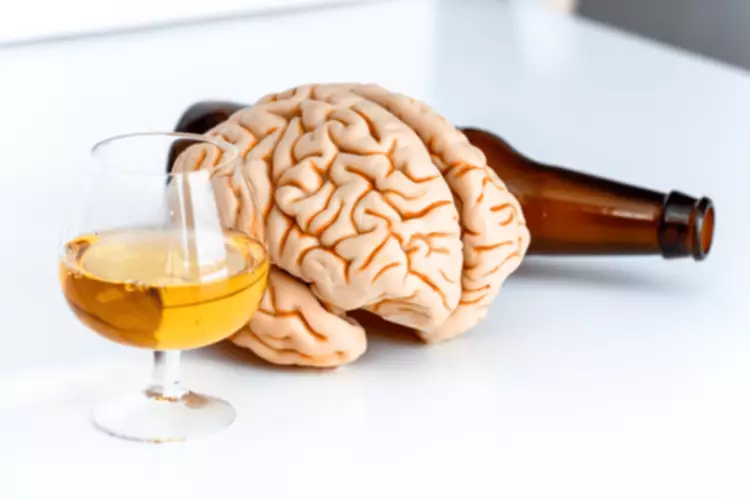
Seek support from friends, family, or support groups such as Alcoholics Anonymous. Talking to someone who understands what you’re going through can provide encouragement and help you stay motivated. Consider how giving into an urge keeps it alive while not giving into the urge slowly kills it.

Medication to reduce cravings and therapy
When you feel a craving coming on, redirect your focus to a healthy activity. This can be anything that engages your mind or body—exercise, a hobby, calling a friend, or even going for a walk. The goal is to shift your focus away from the craving and onto something else. Once you know what triggers your cravings, you can start developing strategies to avoid or deal with them in a healthier way. Learn more about how to recognize and manage triggers in our blog post on problem drinking. If you’re looking for more personalized guidance on how to quit drinking, sign up for our free quit drinking webinar at Stop Drinking Expert.
- That’s why building your own recovery toolkit can make a difference in your ability to weather the most intense cravings.
- Liver disease, particularly cirrhosis, is a common and severe consequence of chronic alcoholism.
- That includes building a healthy routine, changing your habits and planning ahead.
- These tips can be helpful for those making changes in their drinking on their own and not in an alcohol use disorder treatment program.
Understanding Alcohol Cravings
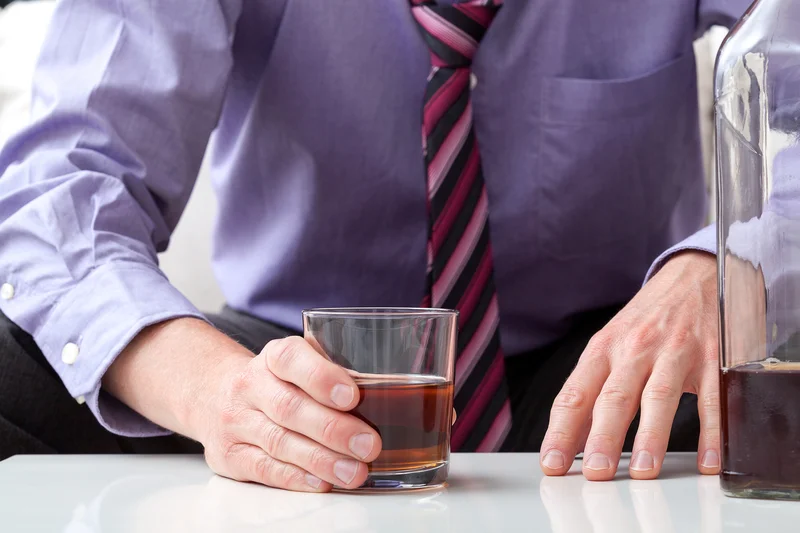
Drinking floods the brain with the neurotransmitter (brain chemical) gamma-aminobutyric acid (GABA), which contributes to feelings of short-term relaxation. It also inhibits another neurotransmitter, glutamate, which regulates mood. If you’re concerned about how to stop alcohol cravings your relationship with alcohol, reaching out for professional guidance is a great first step.
- Alcohol addiction is diagnosed through a combination of clinical evaluations, standardized screening tools, and established diagnostic criteria.
- Acamprosate is prescribed to people after they’ve quit drinking alcohol to help them maintain abstinence.
- However, with the right coping mechanisms in place, you can overcome cravings and continue along your path to wellbeing.
- This neglect often exacerbates interpersonal issues and further contributes to alcoholism progression.
- External triggers are things in your environment that make you want to drink alcohol.
May Reduce Blood Sugar Spikes

This type of treatment uses varied approaches that treat each individual uniquely. Treating alcohol addiction with treatment and medication helps reduce the alcohol rehab instances of relapse. This medication was created to help people with opioid cravings, but experts realized that it helps with alcohol cravings, too. The usual dose for treating alcohol cravings is 50 milligrams once per day. These may include changes in brain chemistry, triggers, and habit formation. Some people may experience alcohol cravings when they stop drinking.

Have friends over for dinner that you make (unless drinking alcohol while you’re cooking is part of your routine). The long-term consequences of alcohol addiction include chronic liver disease, cardiovascular problems, mental health disorders, and reduced life expectancy. These effects worsen over time and are life-threatening if not addressed through appropriate treatment and lifestyle changes. As dependence intensifies, the brain’s reward system adapts to frequent alcohol exposure, making it increasingly difficult to feel pleasure from non-alcohol-related activities. This stage marks an important point where alcohol withdrawal symptoms and cravings significantly impact daily life, reinforcing continued alcohol use. The behaviors indicated at the early stage of alcohol abuse include drinking to relieve stress, increased tolerance, and hiding alcohol use.
Also, there is medication available that can help manage cravings. These should be used under the direction of a healthcare provider. Meditation and mindfulness are two hot topics these days because they can create positive feelings and improve mental health. When learned and practiced, meditation can reduce urges and cravings as well as help develop a sense of calmness and well-being. This treatment works differently because it helps reduce the amount the drinker ingests.

Leave a Reply