The evolution of casinos tracing the journey from ancient gambling to modern entertainment
The Origins of Gambling
The roots of gambling can be traced back thousands of years, with evidence of dice and betting games found in ancient civilizations like Mesopotamia and Egypt. These early forms of gambling were often linked to rituals and religious practices, where people wagered on outcomes determined by fate or the gods. As societies evolved, so did the games they played, laying the groundwork for the entertainment industry we recognize today. Many enthusiasts now choose to watch crazy time, embracing the excitement of modern gaming innovations.
In ancient Rome, public gaming houses began to emerge, allowing citizens to engage in games of chance. These establishments showcased a variety of games, from dice to betting on chariot races. The appeal of gambling spread throughout the empire, and the Romans’ appreciation for chance and luck marked a significant evolution in the social acceptance of gambling activities.
The Development of Formal Casinos
The first official casino, known as the Ridotto, was established in Venice in the early 17th century. This marked a pivotal shift in the gambling landscape as it combined elements of luxury, social interaction, and entertainment. The Ridotto was designed for the enjoyment of the elite, featuring card games and gambling tables in an opulent setting. This concept quickly gained popularity across Europe, leading to the establishment of various gambling houses in cities like Paris and Monte Carlo.
As the casino concept spread, the games became more structured, and regulations began to emerge. The introduction of standardized rules helped refine the gambling experience and ensured fair play, paving the way for the modern gaming regulations that we see today. This era laid the groundwork for the grand casinos that would later emerge in the 19th century, complete with elaborate architecture and entertainment options.
The Rise of Las Vegas and Gaming Innovation
The modern casino as we know it truly began to take shape in the 20th century, with Las Vegas emerging as the epicenter of gambling and entertainment. The legalization of gambling in Nevada in 1931 set the stage for the development of extravagant resorts and themed casinos that would attract millions of visitors. The combination of gambling with top-notch entertainment, dining, and nightlife created a unique experience that redefined the casino landscape.
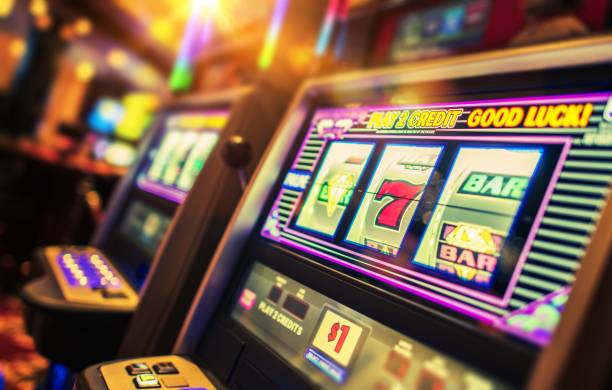
This period also saw significant innovations in gaming technology, including the introduction of slot machines and video poker. These advancements not only diversified the gaming experience but also made it more accessible to a broader audience. The allure of winning big on a single spin or hand contributed to the explosion of casino culture in America and beyond.
The Digital Age of Casinos
The advent of the internet transformed the casino industry yet again, bringing gambling into the homes of players worldwide. Online casinos began to emerge in the late 1990s, offering a convenient and varied gaming experience. Players could access a wide range of games, from traditional card games to immersive slots, all from the comfort of their devices. This shift greatly expanded the market and allowed for global participation in gambling activities.
Moreover, the rise of mobile gaming has made it possible for players to enjoy their favorite games on the go. Live dealer games, which feature real dealers and real-time interaction, combine the excitement of in-person gambling with the convenience of online play. This new era continues to shape the evolution of casinos, blending technology with traditional gaming in innovative ways.

Exploring the Modern Casino Experience
The contemporary casino landscape offers a diverse array of gaming options and immersive experiences that cater to a wide range of tastes and preferences. From luxurious resorts in Las Vegas to vibrant online platforms, casinos today focus on creating engaging environments that enhance the overall entertainment experience. The integration of themed attractions, high-quality dining, and live performances makes modern casinos more than just gambling venues.
As players seek thrilling experiences, casinos continually adapt and innovate, implementing cutting-edge technology and new gaming concepts. The focus on player engagement has led to the rise of interactive games and virtual reality experiences, further blurring the lines between traditional gambling and modern entertainment.

Leave a Reply