Understanding the psychology behind gambling Why we take risks at the casino
The Thrill of Uncertainty
The allure of gambling often lies in the excitement of uncertainty. When players step into a casino, they are not just seeking financial gain; they are also chasing the adrenaline rush that comes with taking risks. This thrill activates the brain’s reward system, releasing dopamine and creating a sense of pleasure. This reaction can make the experience almost addictive, as individuals may return repeatedly to capture that initial high. For those looking to enhance their experience, exploring the best crypto casino options available can add another layer of excitement.
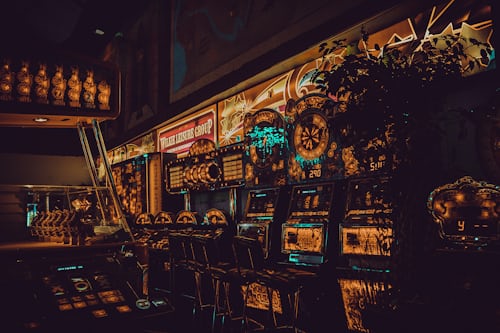
Moreover, the unpredictability of outcomes can create a compelling narrative for players. Each spin of the wheel or turn of a card serves as a chapter in a story where anything can happen. This anticipation keeps players engaged, as they are constantly hopeful for a favorable turn of events, reinforcing their desire to take risks.
The Influence of Cognitive Biases
Humans are naturally prone to cognitive biases, which can significantly influence gambling behavior. One common bias is the illusion of control, where players believe they can influence the outcome of random events. For instance, a gambler might think that their strategy or skill can sway the odds in their favor, despite the inherently chance-based nature of games like slots and roulette.
Additionally, the gambler’s fallacy plays a role in decision-making. Players may mistakenly believe that past outcomes affect future results, leading them to chase losses or increase bets based on previous wins. This cognitive distortion can lead to irrational decisions, making it difficult for individuals to recognize the risks they are taking.
The Role of Social Factors
Social dynamics also play a crucial role in gambling behavior. Many individuals are drawn to casinos not only for the games but for the social interaction they offer. The communal atmosphere of a casino can create a sense of belonging, where players share experiences and celebrate wins together. This social reinforcement can encourage risk-taking, as individuals may feel more empowered when surrounded by others who share their enthusiasm.
Furthermore, peer pressure and social norms can shape gambling habits. When individuals see friends or family enjoying their time at the casino, they may be more inclined to participate, often underestimating the potential downsides. This collective experience can amplify the thrill, making it easier to overlook the inherent risks associated with gambling.
The Impact of Marketing and Environment
Casinos are masterfully designed to captivate and retain players. From the vibrant lights to the cheerful sounds of winning machines, every element is strategically placed to create an inviting environment. This sensory stimulation can heighten excitement and obscure the financial risks involved. The atmosphere encourages players to stay longer, often leading to increased spending.
Marketing tactics also play a significant role in shaping perceptions of gambling. Promotions, loyalty programs, and bonuses are often presented in a way that emphasizes rewards while minimizing potential losses. This framing can lead players to focus on the enticing prospects of winning rather than the reality of losing, further driving the urge to take risks.

Connecting with Like-Minded Individuals
At msfdn.org, we understand the complexities of gambling psychology and are dedicated to fostering a community that explores these topics in depth. Our platform provides a space for individuals to engage in thoughtful discussions and share personal experiences related to gambling. By connecting with like-minded individuals, members can gain insights into their own behaviors and the broader psychological factors at play.
Whether you are looking for knowledge on responsible gambling or seeking to understand the dynamics of risk-taking, msfdn.org is here to support your journey. Join us to explore the multifaceted world of gambling psychology and connect with others who share your interests and inquiries.

Leave a Reply